When someone looks in the mirror and is unhappy with their nose, there may be several factors that may cause them dissatisfaction. It could be a bump on the nose, an indentation, a scar, an irregularity from a previous nose surgery, or a flattened tip. All these conditions can be improved with a non-surgical rhinoplasty with fillers (injectables).
Because of the massive amounts of fillers on the market, people can get confused by the difference between each injectable. Restylane®, Restylane® Lyft, and Juvéderm® are all gels made from hyaluronic acid, a natural sugar that binds water and creates fullness that lasts six to 12 months. Radiesse®, a more viscous filler, is made from tiny calcium particles in a solution, which also creates fullness that is less forgiving than the hyaluronic acid fillers, but can last one to two years. A non-surgical rhinoplasty can be performed on patients by utilizing the different fillers, depending on the concern.
Limitations Of Non-Surgical Rhinoplasty
Of course, there are limitations to what a non-surgical rhinoplasty can accomplish. It cannot make a nose smaller, but it can create a better balance between the bridge and the tip of the nose to make it more aesthetically pleasing. It cannot improve on breathing problems, and it cannot mask major septal deviations, which needs to be accomplished surgically. Furthermore, a non-surgical rhinoplasty is a temporary procedure lasting about six to 24 months, depending on the type and quantity of filler used. This may be repeated, or the patient may elect to have a surgical rhinoplasty for more permanent results.
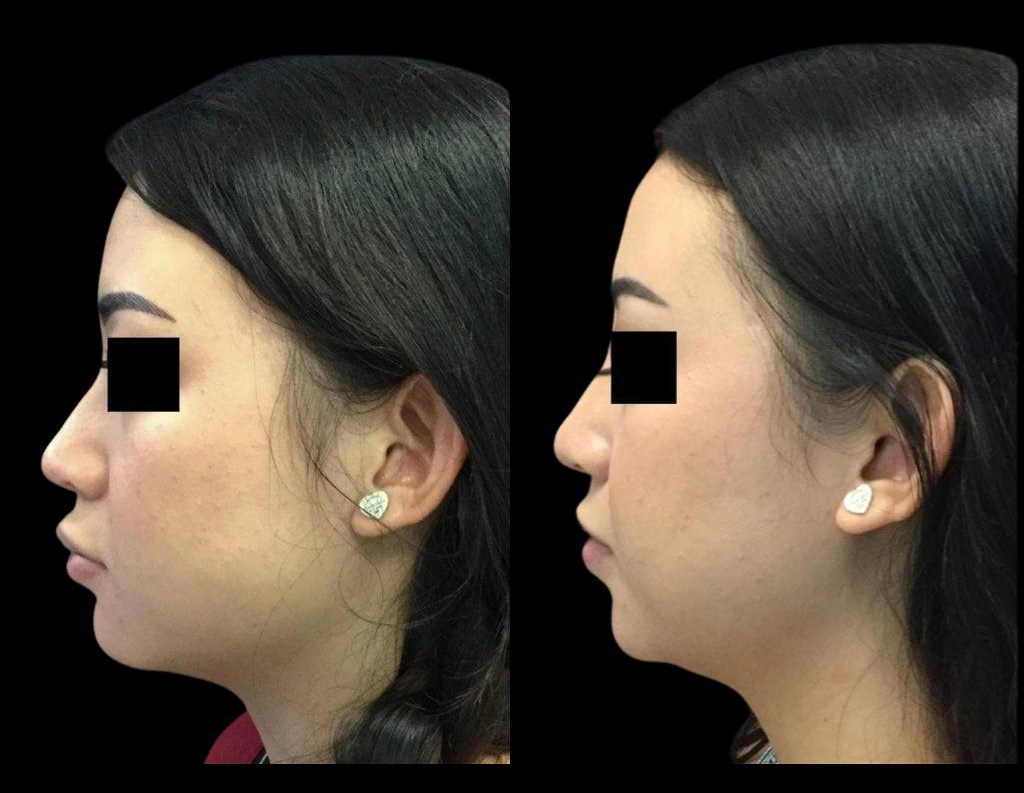
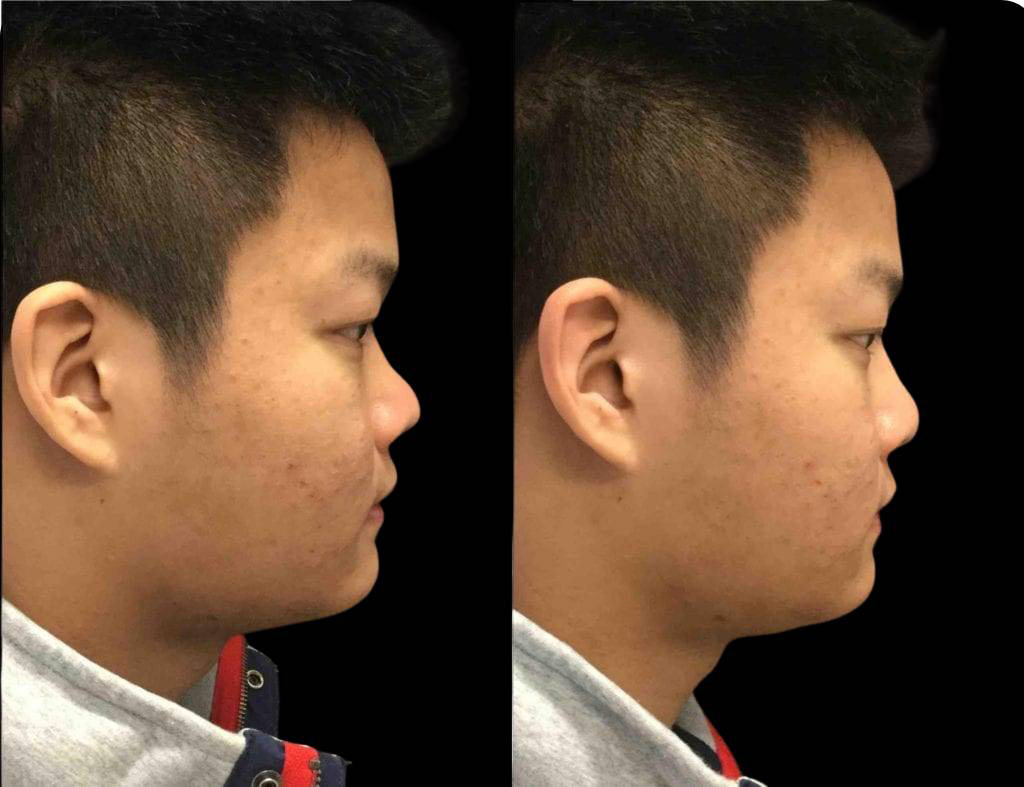

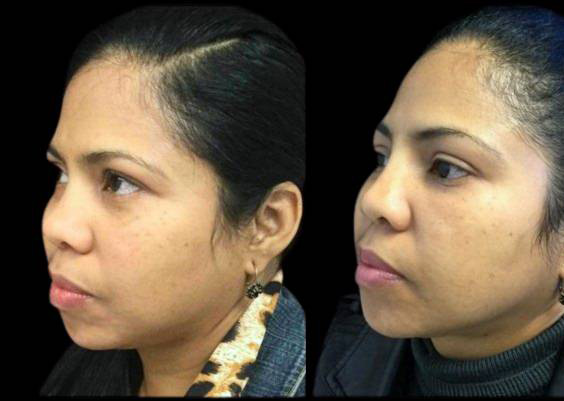



“Natural beauty but doing a little somethin’ somethin’ to make beautiful features pop is what the Model Lift™ accomplishes.”
–
Dr. George Bitar
Follow Us On Social Media