Lower Body Lift After Weight Loss

Northern Virginia & Washington DC

Introduction

One of the most significant advances in plastic surgery in recent years has been the body contouring surgery we offer to patients who have lost a substantial amount of weight. When someone loses a significant amount of weight, the harsh reality is that, in most cases, excess fat is traded for excess skin. Additionally, several psychological, social, and medical changes occur with weight loss that a plastic surgeon should consider when deciding which surgery to offer a weight loss patient.

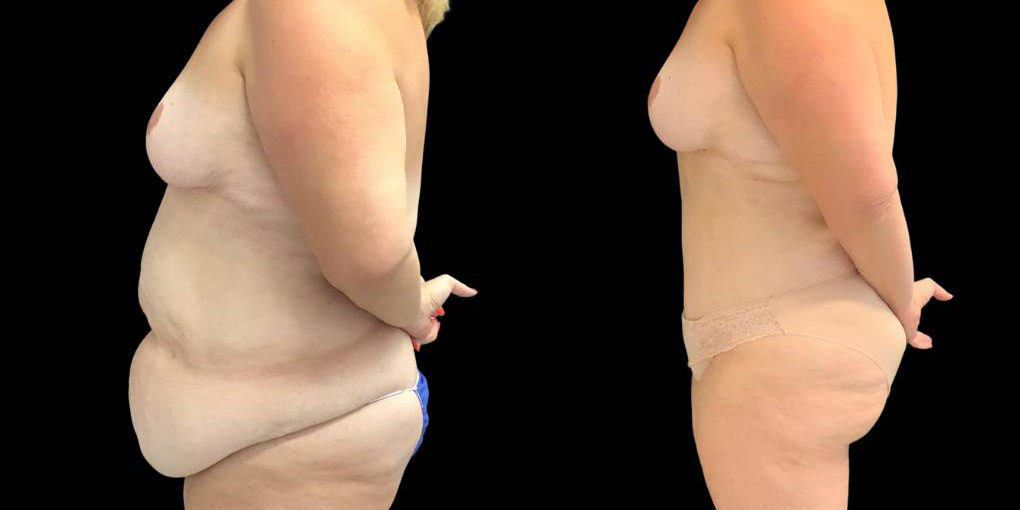
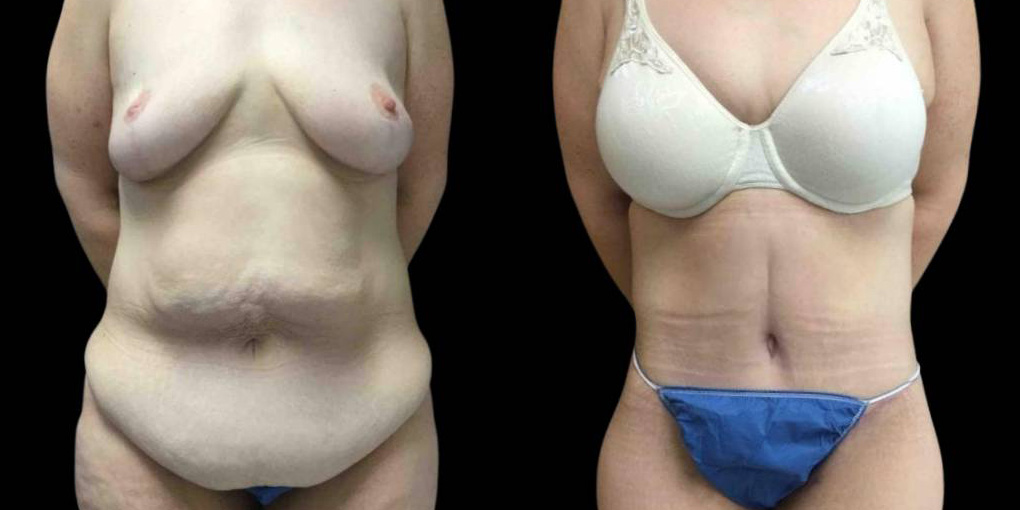
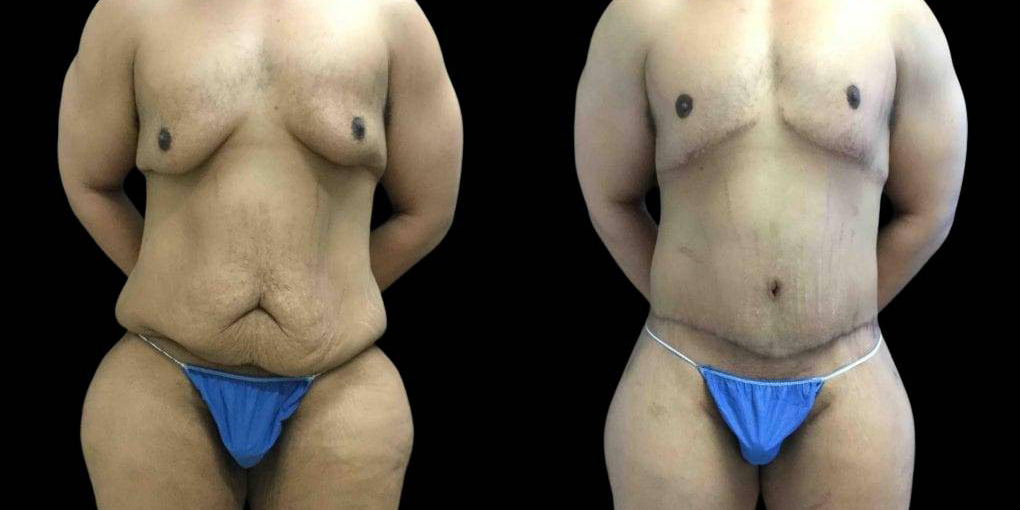
When a patient undergoes significant weight loss, loose skin often appears in the face, arms, breasts, abdomen, buttocks, and thighs. A lower body lift is an operation that addresses the laxity of skin and excess fat in the abdomen, waist, hips, outer thighs, and buttocks. It can be combined with an inner thigh lift for total lower body rejuvenation. Although it is a major operation with a prolonged recovery time, the satisfaction a patient experiences from this procedure and the dramatic improvement it brings is unparalleled.

A lower body lift procedure is more than cosmetic surgery for a bariatric patient. It is part of a “new me” plan. It is an affirmation of a final chapter in a long road towards self-improvement. It is the crowning achievement after taking huge risks, suffering major setbacks, and finally achieving a body that was once felt to be only a dream. It is a plastic surgeon’s privilege to help a patient achieve this dream.

Procedure Summary

Pain Level After Surgery

Severe

Anesthesia

General

Duration of Surgery

6 Hours

Scars

Belt-like scar around the waistline

Final Results

12-18 Months

Return to Regular Work

4 Weeks

Resume Exercise

6 Weeks

Price Range

Call for Pricing

A woman with dark, curly hair and light-medium brown skin is smiling and looking off to her right. She wears a white strapless top and an oversized white button-down shirt draped over her shoulders. The lighting is soft, and the background is a muted gray, creating a clean, pleasant setting. - Body Lift after Weightloss in Fairfax, PA

Preparing For Surgery

An initial consultation is scheduled, during which we discuss the lower body lift procedure and determine if you are a suitable candidate for the surgery. Your medical history will be reviewed, and you will be asked to see your medical doctor for a physical check-up and a few laboratory tests to ensure you can undergo the surgery safely. You are given the opportunity to be seen by your own doctor to obtain clearance for surgery. You are asked to stop smoking, if you are a smoker, two weeks before and two weeks after surgery, for the surgery to be performed safely, and for you to have optimal results. You are given the opportunity to speak with patients who have undergone the same surgery you are considering. We will see you shortly after the surgery (in a day or two, usually). You are always welcome to return for a follow-up, even years after your surgery, at no additional charge.

Patients seeking lower body lift surgery are often those who have undergone bariatric surgery. They need to understand that massive weight loss, especially after a gastric bypass, puts them at a higher risk of complications from any surgery, especially a big one, like a lower body lift. All efforts to optimize nutrition, body weight, muscle tone, psychological, and mental well-being will be undertaken to ensure the best outcome.

The Lower Body Lift Procedure

This procedure is a big operation. It usually lasts about 6 hours, and the patient has significant bleeding when compared to other plastic surgery procedures. Therefore, we request that patients either donate a total of 2 pints of blood themselves or have a relative donate on their behalf, which will be returned to them during the operation. Also, this is the only procedure for which we require our patients to stay in the hospital for two days.

Conceptually, a lower body lift procedure is simple to understand. Imagine removing a 6-inch belt of skin around your waistline and lifting the lower body to fill the gap. This is a simplistic rendition of what a lower body lift accomplishes. This procedure will tighten the abdomen, waist, hips, buttocks, and outer thighs. It will not improve the inner thighs, but it can be combined, in the appropriate patient, with an inner thigh lift, to accomplish a complete lower body enhancement.

The scar in this operation is of major concern. The location varies depending on the patient, but it usually resembles a bikini bottom pattern. Due to the high satisfaction this procedure yields, patients are more accepting of the extensive circumferential scar.

How We Minimize Complications Of Lower Body Lifts

At the Bitar Cosmetic Surgery Institute, we take pride in ensuring that we provide our patients with the best possible surgical experience, anticipating potential problems or setbacks and addressing them before they occur. This process includes pre-operative preparation, the actual surgery, and post-operative care.

General Complications

General complications can occur with any surgery. Cosmetic surgery is typically a safe procedure performed on healthy patients and, like all surgeries, carries a low risk. To further reduce the risk of complications, we operate at a first-class hospital with board-certified anesthesiologists and nurses. To avoid post-operative complications, we advocate for early mobilization – patients seen in our office one or two days after surgery – and active participation in their own post-operative care. When we create a partnership, the results invariably improve.

Nerve Injury

By elevating the skin of a large area in the waist region to perform a lower body lift, the nerves that provide sensation to the areas around the waistline are cut, and sensation over most of the abdomen and the buttocks is lost for months. After a year, sensation usually returns, but not completely. This fact is significant for patients to understand so that they will not apply heating pads or cold compresses to their waist after surgery, as the absence of nerve sensation can lead to a burn.

Seromas (fluid collection under the skin)

When a large area of skin is undermined, fluid collects underneath. Drains are placed to evacuate this fluid. After drains are removed, fluid may reaccumulate. The treatment involves aspirating the fluid, which is usually sterile, using a needle. This may need to be done multiple times over a few weeks. This maneuver is neither dangerous nor painful, but it is a nuisance, requiring more frequent office visits than usual. The rate of seromas in our lower body lift patients is about 20%.

Bleeding

Bleeding during and after a lower body lift is significant, and patients typically receive 2 pints of blood. Before surgery, our patients are tested to make sure they don’t have any common bleeding disorders by their own physicians and by lab tests. Additionally, at the conclusion of the operation, four to six drains are inserted under the skin to manage any early postoperative bleeding. In our practice, the rate of significant bleeding is about 10%. These patients may require more blood post-operatively. The treatment of a hematoma or blood clot under the skin of the waistline involves opening the incision and evacuating the blood clot. Typically, this is a straightforward procedure.

Infection/Wounds

In my opinion, the most important step in avoiding infections and wounds is to undergo surgery at a first-rate surgical facility with board-certified anesthesiologists and nurses. Patients receive the appropriate intravenous antibiotic coverage throughout the surgery and during their two-day hospital stay. During the surgery, the patient’s skin surface is cleaned thoroughly. After the procedure, our patients are prescribed a two-week course of antibiotics to minimize infection. As a result of these extra precautions, our rate of infection after a lower body lift is low. Conservative removal of skin is crucial for achieving good aesthetic results while minimizing undue tension on the skin. Small to moderate wounds, due to the nature of this operation, may occur at a rate as high as 25% in our practice. They usually heal nicely with dressing changes and antibiotic ointment. The key to a good outcome is patience on the part of the patient, as well as effective communication and follow-up with our office.

Smoking

Smoking is an absolute contraindication in a lower body lift. The carbon monoxide and nicotine in cigarette smoke cause a severe reduction in blood supply to the skin and tissue during healing. This results in delayed wound healing, wound separation, skin death, and a higher risk of infection. Nicotine testing is performed in patients with a smoking history to ensure that they are safe when having this procedure.

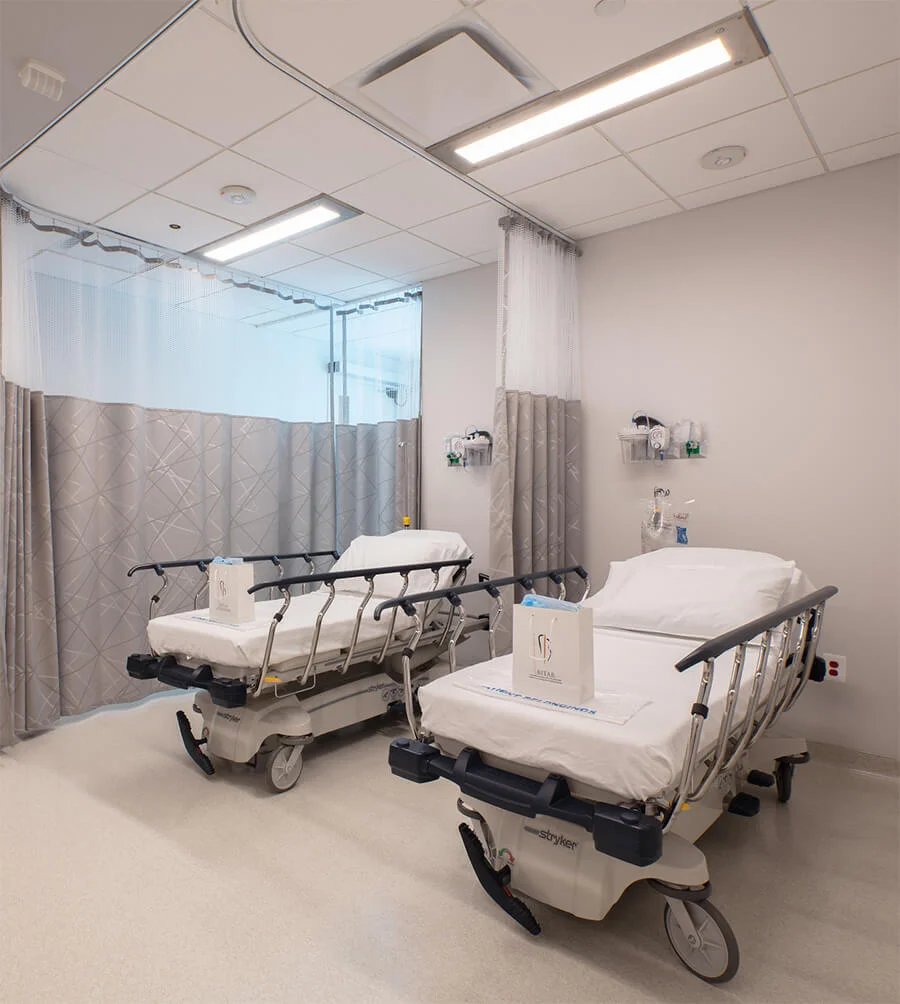
A clean, bright medical recovery room with two empty gurneys separated by curtains and packages from the Bitar Cosmetic Surgery Institute placed on the beds.

Post-Operative Care

Our office will provide you with a detailed post-operative instruction sheet tailored to your specific needs. We usually see patients the day after surgery in one of our offices to ensure that everything is okay and that you are healing as planned. Multiple visits in the year after the procedure will help ensure the best possible outcome.

For more information about this procedure, please call our office and speak with a friendly staff member at 703-206-0506.

Contact Us Today

If you would like further information, please feel free to contact our office to schedule an appointment by calling (703) 206-0506 or filling out an online request form.

instagram-1
instagram-2
instagram-3
instagram-4
instagram-5
instagram-6

Treat yourself monthly with discounted transformative treatments, VIP neurotoxin pricing, and special skincare offers.

Connect With Us!

Never miss out on the latest offerings, transformations, and behind-the-scenes at Bitar Cosmetic Surgery Institute.

Call Email Results