General complications accompany any surgery. However, cosmetic procedures are typically considered safe and effective when performed on healthy patients by a board-certified aesthetic specialist, such as Dr. Bitar in Fairfax, VA.
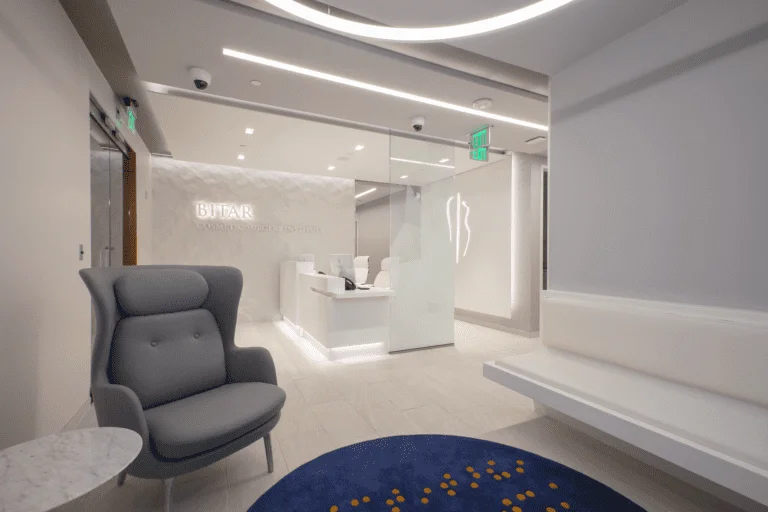
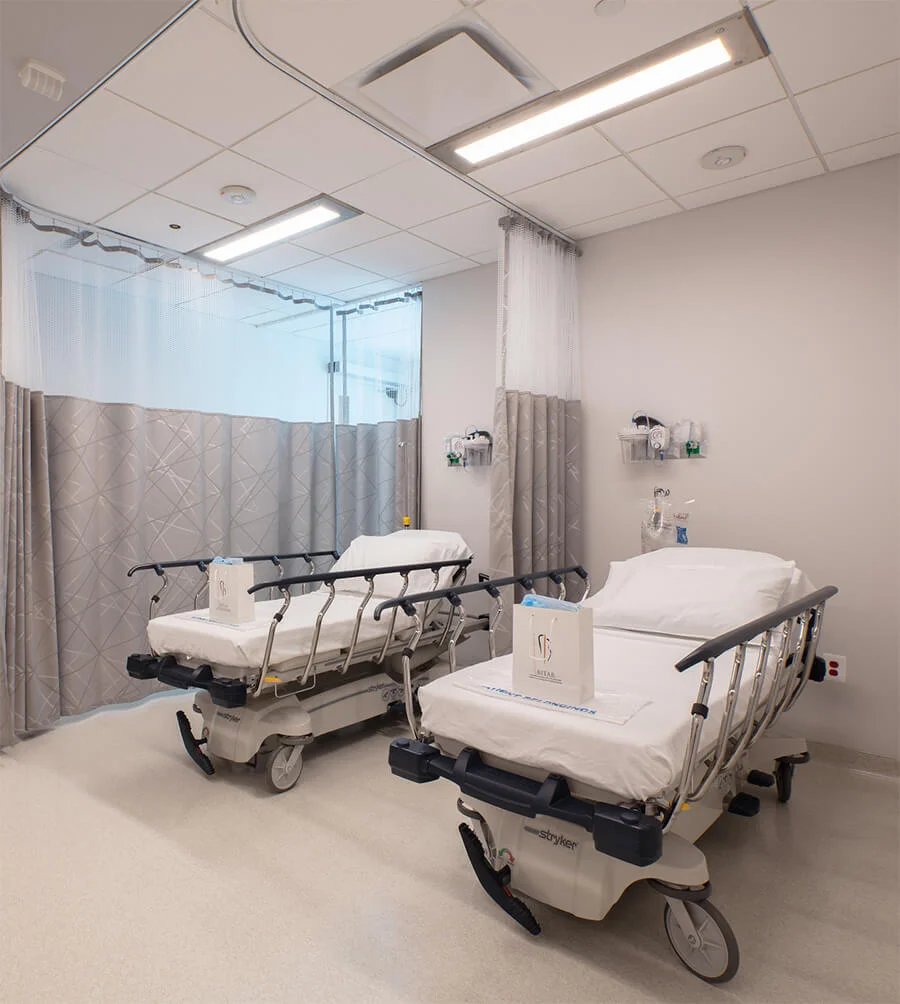
To minimize the risk of complications, Dr. Bitar performs surgery in his in-house QUAD A (formerly AAAASF)- certified facility, with board-certified anesthesiologists and nurses. Dr. Bitar also schedules patients for a series of follow-up visits, creating an ongoing partnership that supports lasting and satisfying results.
Potential side effects with facelift surgery include:
Bleeding
Bleeding can occur in approximately 1-2% of patients. Before surgery, we have patients complete lab testing to make sure they don’t suffer from bleeding disorders. Dr. Bitar uses a tumescent solution to minimize the risks of bleeding and reduce swelling. Drains can also be useful in ensuring a seamless healing process.
Infection
The most critical step in avoiding infection is to undergo surgery at an accredited facility, such as Bitar Cosmetic Surgery Institute and Medspa in Washington, D.C., with board-certified surgeons, anesthesiologists, and nurses. Patients at our practice receive intravenous antibiotic coverage throughout surgery. After the procedure, Dr. Bital will prescribe antibiotics to minimize infection. As a result of these extra precautions, the doctor’s infection rate after a facelift is extremely low.
Open Wounds
With facelift surgery, Dr. Bitar adjusts and manipulates a large amount of skin, closing incisions under mild tension. As a result, there can be a small amount of skin loss or a tiny opening of the wound around the hairline or adjacent to the ears. To minimize this potential complication, patients are urged to stop smoking two weeks before and after surgery. Open wounds occur in approximately 1% of patients.
Nerve Injury
The rate of facial injury is about 1-2%. With Dr. Bitar’s advanced facelift techniques, the dissection is performed away from major nerves to minimize the risk of injury. Occasionally, temporary sensation or function loss from a “stunned” or bruised nerve can occur post-op. This may result in a temporarily uneven smile, but full nerve function is usually restored within a few days to a few weeks.
Smoking
Smoking is detrimental to both your safety and your results after a facelift. The carbon monoxide and nicotine in cigarette smoke can cause a significant reduction in blood supply to the skin during the healing process. This delays wound healing and wound separation and results in skin death and a higher risk of infection. Cotinine testing is performed in patients with a history of smoking to ensure their procedure can be safely and effectively carried out.

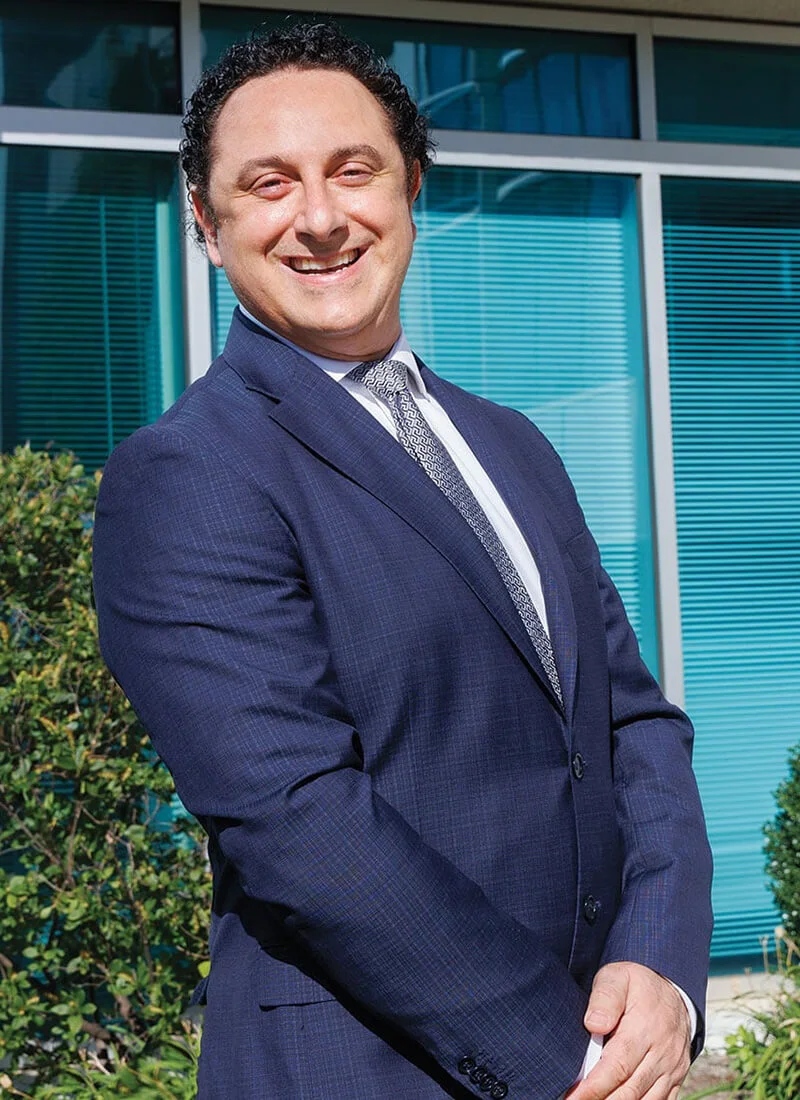

“Natural beauty but doing a little somethin’ somethin’ to make beautiful features pop is what the Model Lift™ accomplishes.”
–
Dr. George Bitar
Follow Us On Social Media